Trade4go Summary
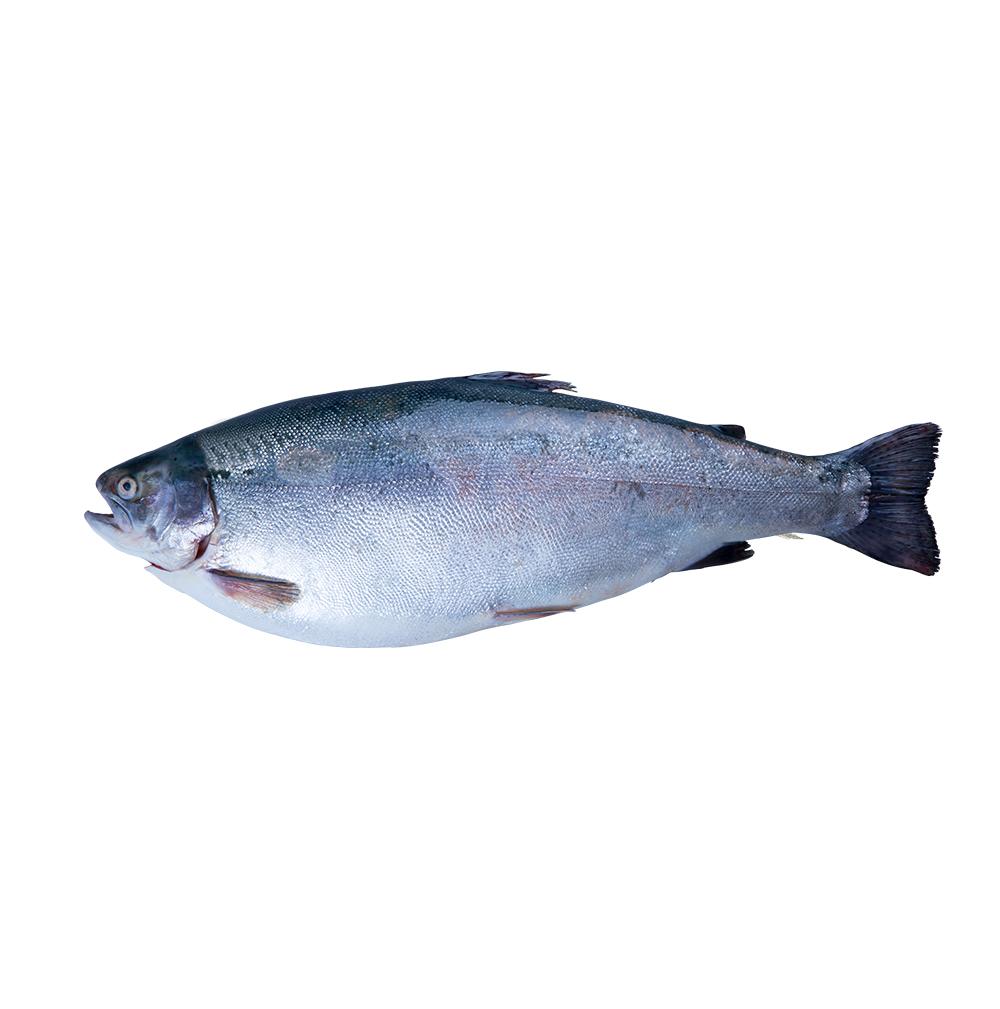
Due to the ongoing heatwave, rising sea temperatures have led to mass deaths of black sea bream (whelk). According to the Jeju Special Self-Governing Province Marine Fisheries Research Institute on the 2nd, as of 10 AM that day, the average surface water temperature at 11 observation points off the coast of Jeju was 27.6 degrees Celsius, with Udo recording the highest water temperature among the observation points at 29.6 degrees Celsius. As of the 31st of last month, the high water temperature damage received in Jeju Province was tentatively tallied at 10 farms in Daejeong-eup, Seogwipo City, with 34,208 dead whelk. When the water temperature exceeds 25 degrees Celsius, which is beyond the optimal water temperature range of 18 to 24 degrees Celsius, the digestive function of the whelk decreases, and the amount of feed intake also decreases sharply. Currently, the government has issued a 'Serious Level 1' alert, the fourth highest in the five-tier high water temperature disaster alert system, and accordingly, Jeju Province is strengthening the observation of coastal and aquaculture water temperatures and continuing on-site response. Provincial Governor Wisung-gon visited the damaged aquaculture farms in Daejeong-eup, Seogwipo City on the 1st to inspect the situation on site and gather opinions from aquaculture operators. In this aquaculture farm, 17,799 whelk weighing 770 grams each died as of the 30th of last month. During the subsequent meeting, aquaculture operators emphasized that since it is difficult to utilize underground seawater in the western region farms, they are more vulnerable to high water temperature damage, so fundamental measures such as developing public wells that can supply limited amounts of underground seawater during high water temperature periods are necessary. They also proposed expanding the intake pipe extension project to supply seawater with lower temperatures, additional support for liquid oxygen, and expanding support for aquaculture disaster insurance premiums. In addition, they requested the establishment of logistics cost support measures, stating that high logistics costs are affecting price competitiveness. In response, Governor Wisung-gon said, "We will consider the possibility of improving systems with related departments, taking into account both groundwater conservation and the survival of aquaculture farms," and "We will ensure that there is no shortage of urgently needed support such as liquid oxygen on site by understanding the demand, and we will also look into the need to expand the intake pipe extension project." He continued, "In addition to ensuring the prompt business stability of aquaculture farms, we will also continuously seek ways to strengthen the mid- to long-term competitiveness of the aquaculture industry, including improvements in processing, distribution, and sales channels..."
Original content
Due to the ongoing heatwave, rising water temperatures have led to a surge in the deaths of flounder (flatfish). According to the Jeju Special Self-Governing Province Marine Fisheries Research Institute on the 2nd, as of 10 AM on that day, the average surface water temperature at 11 observation points off the coast of Jeju was 27.6 degrees, with Udo recording the highest water temperature among the observation points at 29.6 degrees. As of the 31st of last month, the high water temperature damage received in Jeju Province was tentatively tallied at 10 farms in Daejeong-eup, Seogwipo City, with 34,208 flounder dead. Flounder experience a decline in digestive function and a sharp decrease in feed intake when the water temperature exceeds 25 degrees, which is outside the optimal water temperature range of 18 to 24 degrees. Currently, the government has declared a 'Serious Level 1' high water temperature disaster alert, the fourth highest of five levels, and in response, Jeju Province ...


 jejuilbo.news
 Aug 2nd, 2026